

Somewhere in the middle of February, the hazel catkins along a back lane open and turn the whole hedge yellow. It happens every year, and every year it is easy to miss. A nature journal is simply a way of not missing it: a notebook where you write down what you saw, where you were and what the weather was doing. No special equipment, no expertise, and no need to go anywhere more exotic than the end of your road.
The good news is that British weather and British wildlife give you something to write about roughly every week of the year, even in a small garden or on the same twenty-minute walk to the shop.
What a Nature Journal Actually Is
It is not a diary of feelings, though it can hold those too. It is a record of observation: date, place, weather, and the handful of things you noticed. Some people sketch, most do not. Some buy a handsome leather notebook; a plain exercise book works just as well. The only real requirement is that you can write in it quickly, outdoors, without fuss.
Think of it as a slow accumulation of local knowledge. Two years of notes on when the first swift appears over your street tells you more about your patch than any field guide, because it is your patch and your dates.
Choosing Your Kit Without Spending Much
Keep it small enough that you never leave it behind. Four things are enough:
- A notebook that fits a coat pocket. A5 hardback is the usual sweet spot; a slim A6 is fine if you write small. Avoid anything so smart you are afraid to use it in the rain.
- A pencil, or a waterproof pen. Pencil survives damp paper, smudges less and lets you shade in a quick sketch.
- Something to lean on. A hardback notebook solves this. Otherwise, slip a piece of A5 card inside the back cover.
- A phone for photographs and weather checks. Use it as a memory aid, not as the journal. Photos pile up and rarely get looked at; notes get read.
You do not need binoculars to begin. Most garden and park birds can be identified at a few metres with patience and a decent guide, and learning to watch closely is the skill worth building first.
Setting Up Your First Pages
Use one page per outing, or one page per week if you go out often. Leave a margin down the outer edge for sketches, later identifications and questions you want to answer. If you like drawing, write on one side of the paper only.
Every entry needs four things:
- Date, time and place. A street name, a postcode or a plain description such as "the field behind the cricket club" is plenty.
- Weather. Cloud cover, wind direction, temperature, rain. Wind direction is the detail most people forget and the one that explains the most.
- What you saw. Species names if you know them; honest descriptions if you do not. "Small brown bird, pale legs, tail bobbing" is a perfectly good record you can identify later.
- One detail that stuck. A sound, a smell, the way the light fell. This is the part you will enjoy rereading in a year.
A Year in a British Nature Journal
You do not need to chase rare species. The common, repeating events of the year are the backbone of a good journal, and they are the ones you can compare from one year to the next.
Spring into early summer
Frogspawn appears in ponds from late winter into March, depending on how far north you are. Blackthorn flowers before its leaves, hawthorn after. Chiffchaffs sing from late March, swallows and house martins return in April, and swifts arrive in early May and scream over rooftops on summer evenings. Bluebells fill older woodlands from late April into May.
Late summer and autumn
Swifts leave in August, often within a few days of each other, and the swallows gather on wires before heading south through September and October. Blackberries ripen, conkers and acorns drop, and fungi push up in woodland from September into November. Note the first morning you scrape ice off the car.
Winter
Bare trees reveal nests you never noticed, and rookeries become busy again surprisingly early. Redwings and fieldfares arrive from Scandinavia in cold spells, joining the blackbirds on the lawn. Snowdrops and hazel catkins close the circle, and you are back where you started, only with a year of notes behind you.
Walks, Weather and Your Local Patch
Beginners often assume they need new places. The opposite is true. Pick one small patch — a park, a stretch of canal, a footpath loop — and visit it weekly. Familiarity is what makes change visible. A tree you pass every week will show you budburst, leaf fall and the exact week the leaves drop, which a one-off visit to a nature reserve never will.
Write the weather at the top of every entry before you write anything else, even if the rest of the page stays empty. Weather is the thread that ties the rest together: a warm February afternoon brings out the first bumblebees, a hard frost empties the pond edges of wildfowl, a wet autumn explains why the path is under water again.
Keeping It Going When the Novelty Wears Off
Keep entries short. Three lines you actually write beat half a page you never finish. Do not backfill missed days; simply start again today, because a journal with gaps is still a useful journal. Store the notebook with your keys or in your coat pocket so it travels without being remembered.
Set the bar low. On a dull week, record the weather and one thing you noticed from the window. At the end of each season, read back through and write a short "what changed" page. Those seasonal summaries are where the real pleasure sits.
An ordinary week, written down, becomes a record. A year of them becomes something you could not have guessed at in January.
Your First Entry This Week
- Choose your notebook and pen today and put them by the door.
- On your next walk, stop once and write four lines: date and place, weather, what you saw, what you heard.
- At home, look up one thing you could not identify and add the answer in the margin in a different colour.
- Repeat next week. Aim for four entries a month before adding sketches, lists or anything else.
That is the whole method. If you find the habit helps your mood or your sense of connection to where you live, treat it as a good companion to proper support rather than a substitute, and speak to your GP if you are struggling.
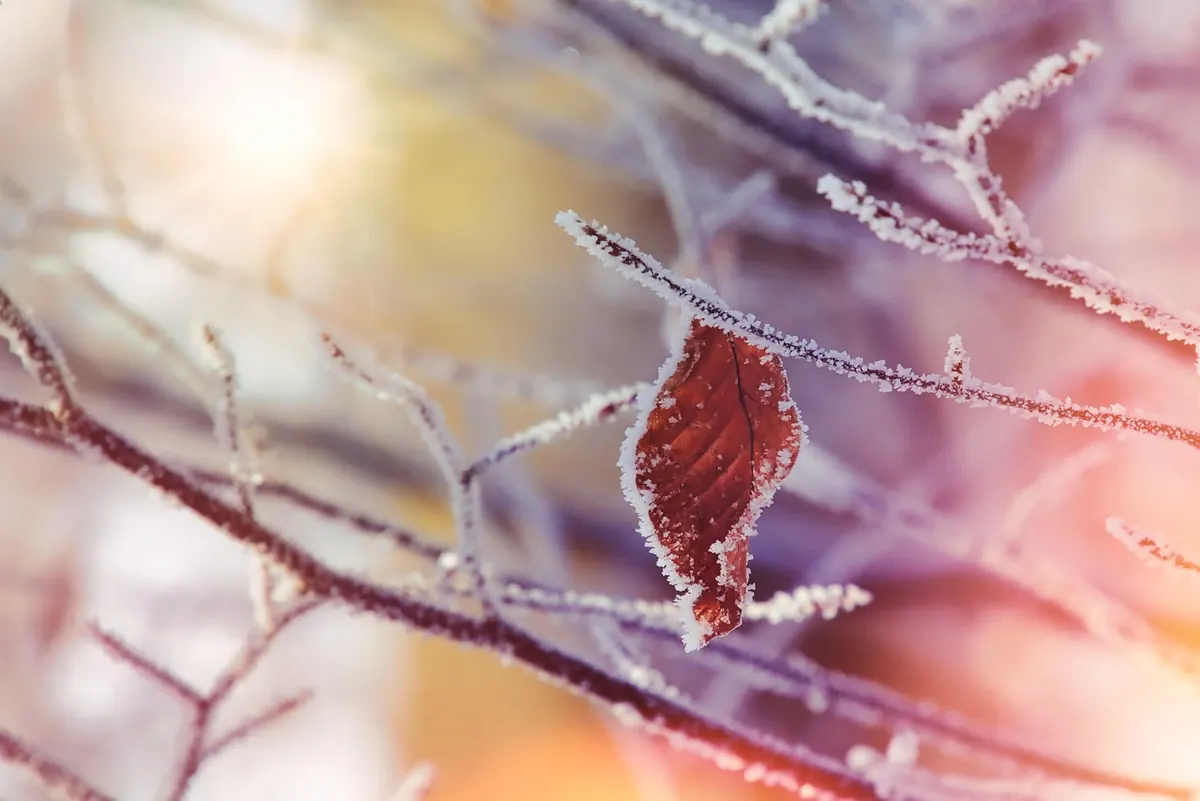
Photo: Lolame / Pixabay